Us
Slough Dolphin
Swimming Lessons
& Competitive Swimming



Athlete Nutrition & Fueling
You cannot out-train a poor diet. Select your current training phase below to discover the essential fuels, hydration strategies, and recovery meals required to train hard and race fast.
The Engine Room (Carbs)
If you've ever felt your arms turn to lead during the final 30 minutes of a grueling aerobic set, you have experienced glycogen depletion. Carbohydrates are your engine's primary fuel source. When the alarm goes off at 5:00 AM, the effort you can output in the water is entirely dictated by the quality of the carbohydrates you consumed the evening prior.
Without a consistent intake of complex, slow-releasing carbohydrates, your technique will break down entirely as your central nervous system tries to conserve energy.
Macro Details & Timing
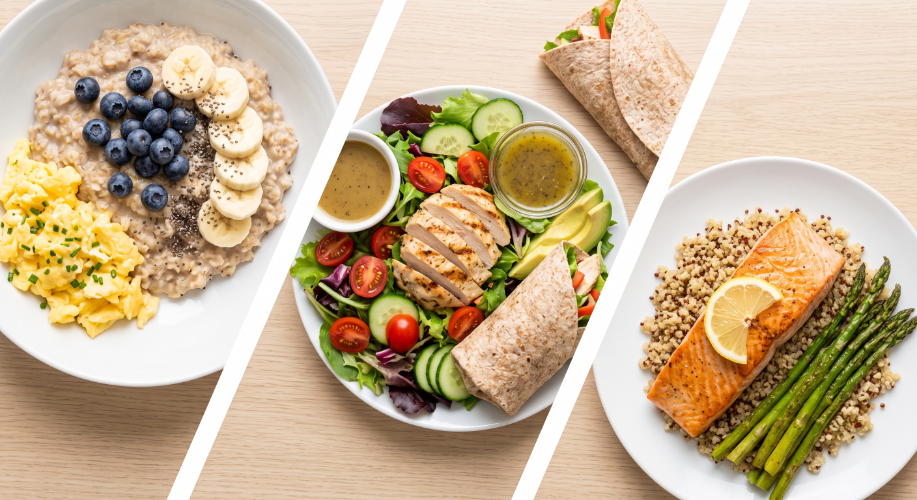
- The Staples: Wholewheat pasta, brown rice, sweet potatoes, and rolled oats.
- The Dinner Rule (2-3 hours before): Your evening meal before a morning swim must be carbohydrate-heavy. Think a large bowl of pasta bake.
- The 30-Min Pre-Swim Spike: You need immediate energy before diving in. A banana, a slice of malt loaf, or rice cakes with honey are perfect for a fast glucose hit.
Muscle Repair (Protein)
Every heavy butterfly set or threshold pace effort creates microscopic tears in your muscle fibers. You do not get stronger during the set; you get stronger during the recovery. Protein provides the physical building blocks required to patch those tears, reducing the heavy soreness (DOMS) you feel the next day.
Swimmers often miss the "Golden Window"—the critical 45 minutes immediately after a session where muscles are hyper-receptive to nutrient uptake. By the time you get home, shower, and cook, that window has closed.
Macro Details & Timing
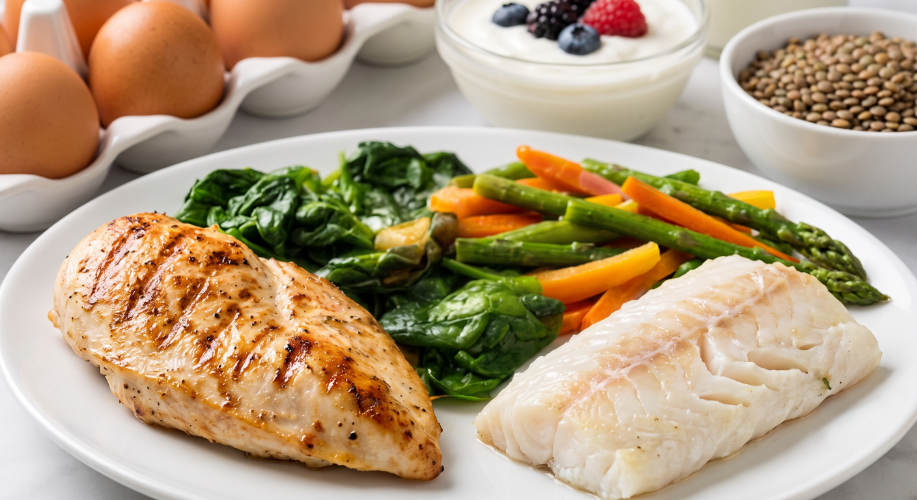
- The Staples: Chicken breast, white fish, eggs, greek yogurt, tofu, and lentils.
- The Golden Window (0-45 mins post-swim): Do not wait. Drink a chocolate milk or a whey protein shake immediately while walking out of the leisure centre.
- The Overnight Feed: A small serving of casein-rich food (cottage cheese or Greek yogurt) just before bed provides a slow drip of protein to your muscles as you sleep.
How to Read Your Body's "Fuel Gauge"
Your body will constantly give you feedback on whether you are eating enough during heavy in-season training blocks. Use these physiological markers to check your fueling status:
- Resting Heart Rate (RHR): Take your pulse every morning before getting out of bed. An unexplained spike of 5-10 BPM above your normal rate indicates systemic under-recovery and under-fueling.
- Sleep Quality: Paradoxically, immense fatigue caused by under-eating carbs often leads to insomnia and broken sleep. If you are exhausted but cannot sleep, you need more calories.
- The "Dead Leg" Test: If your legs feel heavy walking up the stairs to school or work, your glycogen stores are critically low. You need a carbohydrate reload meal immediately.
Review Swim England's full guide on calculating your daily caloric needs based on pool hours.
View SE Nutrition Guide"Nutrition is the invisible training. You can have the perfect stroke technique, but if you step onto the blocks dehydrated or under-fueled, your body will simply refuse to translate that technique into speed."
The Taper Week (Carb Loading)
In the final week before a major championship, your coach will drop your training volume to rest your muscles—this is the "taper." However, if you drop your carbohydrate intake along with your training volume, you will feel flat and sluggish on race day.
Carbo-loading does not mean stuffing yourself with three bowls of pasta the night before a race, which will only leave you bloated. It is a calculated, three-day process of topping up your glycogen stores so your muscles are fully loaded with explosive fuel.
The 72-Hour Run Up
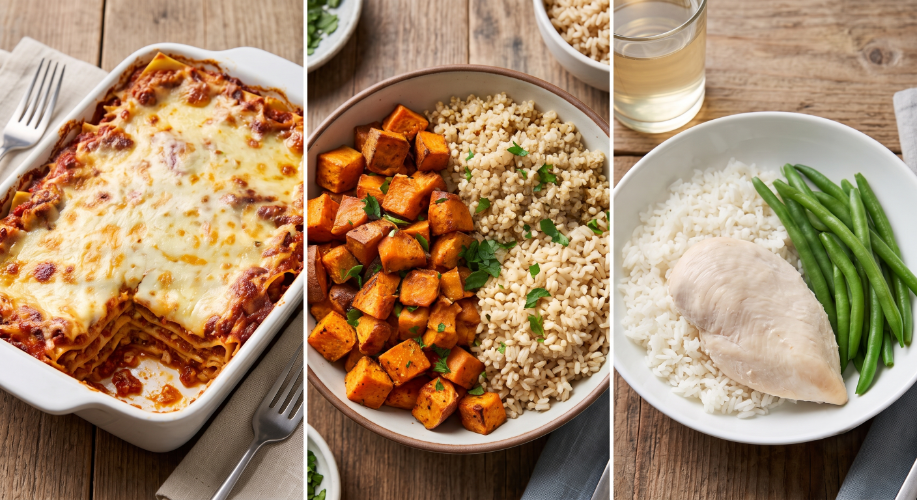
- 3 Days Out: Gradually increase your portion sizes of complex carbs (rice, sweet potatoes) by 15-20% at every meal.
- Hydration Ramp-up: Start drinking an extra liter of water per day 48 hours before the gala. Do not try to hydrate entirely on the morning of the race.
- The Final Night: Eat a normal, familiar-sized carbohydrate meal early in the evening to allow complete digestion before bed.
Managing the Adrenaline Spike
The atmosphere at a regional gala is entirely different from training. The air is heavy, the chlorine smell is sharp, and as you walk toward the marshaling area, your body floods with adrenaline. This fight-or-flight response causes your heart rate to rise and your digestion to completely shut down.
Because your stomach is offline, if you ate a heavy, fried meal two hours ago, it will sit in your gut like a stone, making you feel nauseous on the blocks. This is why gala fueling is all about high-energy, easily digestible "grazing."
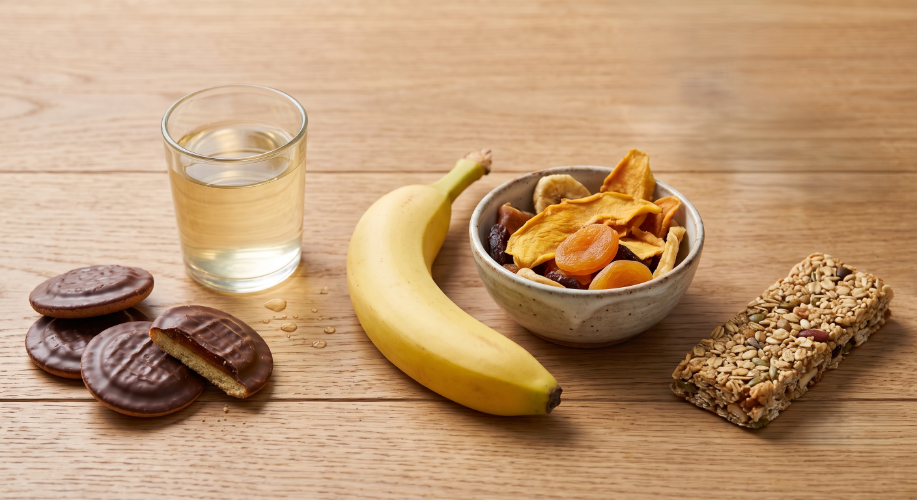
The Gala Day Menu
- The 2-Hour Breakfast: A bowl of porridge with honey. It's the champion's choice because it releases energy slowly and rarely causes stomach upset.
- Poolside Grazing: Do not eat large meals. Snack continuously on Jaffa Cakes, flapjacks, dried mango, and small handfuls of pretzels between heats.
- The 15-Minute Hit: Just before marshaling, a few jelly babies or a sports gel can give your brain the fast glucose it needs for razor-sharp reaction times.
The Race Day Checklists
Follow this strict checklist to ensure your body is primed for maximum output when the starter sounds the buzzer.
- The Hydration Marker: You will sweat profusely in a hot, humid spectator gallery. Check your urine. It must be pale straw/yellow. Dark urine means your sprint power has already dropped by up to 5%. Sip an electrolyte drink constantly.
- The "Nothing New on Race Day" Rule: Never try a new energy gel, a new protein bar, or a different breakfast on the day of a championship. Your gut is sensitive to nerves; stick only to what you have tested in training.
- The Post-Race Flush: As soon as you finish your swim, before you even check your times, begin sipping water and eat a small carb snack. This begins clearing lactic acid immediately so you are ready for your next event.
Healing the System
When the season ends and your hours in the water drop dramatically, your metabolism needs a moment to catch up. The off-season is not just about resting your muscles; it is about repairing joint inflammation, rebuilding your immune system, and resetting your central nervous system after months of high stress.
Failing to adjust your calorie intake downwards will lead to unwanted weight gain, but dropping your calories too low will prevent your shoulders and knees from healing properly. The focus shifts entirely to micronutrients.
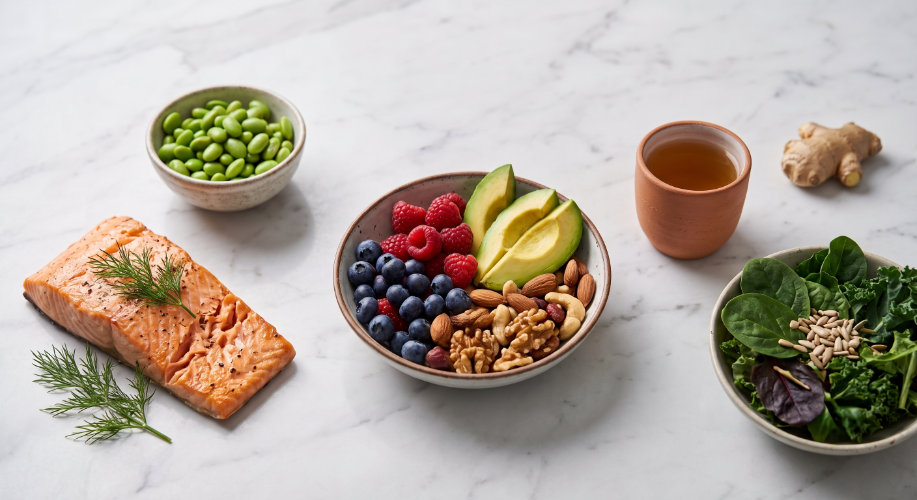
Off-Season Healing Foods
- Joint Repair (Omega 3s): Salmon, chia seeds, and walnuts. These healthy fats reduce the chronic inflammation built up in the rotator cuffs over the season.
- Immune System Reboot: Dark leafy greens (spinach, kale) and citrus fruits pack the Vitamin C and Zinc needed to prevent winter illnesses upon your return.
- Carbohydrate Adjustment: Swap heavy pasta for lighter, nutrient-dense carbs like quinoa and mixed vegetables to match your reduced energy expenditure.
Signs of a Successful Off-Season
How do you know if you are eating correctly and recovering well during your break? Look for these signs before returning to the pool:
- Zero Joint Ache: You should wake up in the morning without the familiar dull ache in your shoulders or knees. Complete tissue repair requires adequate healthy fats and sleep.
- Mental Hunger: The ultimate sign of a recovered central nervous system is a genuine excitement and psychological hunger to get back to the grind and race again.
- Stable Body Composition: By slightly reducing your carb intake to match your inactivity, you return to the pool feeling light and buoyant, rather than sluggish and heavy in the water.
Review Swim England's guidelines on managing off-season weight and immunity.
View SE Nutrition Hub
 SLOUGH DOLPHIN SC
Farnham Road, Slough
SL1 4UT