Us
Slough Dolphin
Swimming Lessons
& Competitive Swimming



Athlete Wellbeing & Mental Health
While we can all agree swimmers are incredibly dedicated athletes, even the strongest competitors experience moments of profound psychological fatigue. Balancing personal bests, rigorous early morning training schedules, and life outside the pool is a heavy load. At Slough Dolphin SC, the mental health of our athletes is our highest priority.
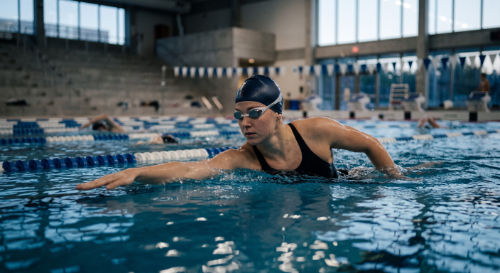
"Just like training with others will help you improve your times and stroke, sharing challenges with others will make you stronger and better equipped to tackle them when they arise."
The Unique Pressures of Aquatics
Swimming is an incredibly unique sport. The psychological demands placed on competitive swimmers differ significantly from those in team field sports. It is vital for athletes, parents, and coaches to recognize these specific triggers:
The "Black Line" Effect
Swimming involves hours of sensory deprivation. Staring at the bottom of the pool leaves athletes alone with their thoughts for extended periods, which can sometimes amplify anxiety and over-analysis.
Micro-Perfectionism
Because success is measured in hundredths of a second, swimmers are prone to extreme perfectionism. A microscopic error on a turn can define a race, leading to immense self-imposed pressure.
Body Image Vulnerability
Spending hours a week in swimwear during critical developmental years can lead to heightened body awareness. We foster an environment that celebrates what a body can do, not how it looks.
Recognizing Athlete Burnout
Burnout is a state of physical and emotional exhaustion caused by prolonged stress. It is common in high-volume, high-yield sports. Catching the signs early allows athletes to reset before the sport becomes a source of distress.
- Physical Signs: Persistent fatigue that isn't cured by rest days, disrupted sleep patterns (insomnia despite exhaustion), frequent minor illnesses, or an unexplained, prolonged plateau in times.
- Emotional Signs: Dreading training sessions, sudden loss of motivation, feelings of resentment toward the sport, or heightened irritability with coaches and teammates.
- Academic Friction: A sudden drop in school performance because the athlete lacks the cognitive energy to focus outside the pool.
The Role of Parents and Coaches
Protecting an athlete’s wellbeing requires a united front. If an athlete is entering a heavy exam period, our coaching team is prepared to proactively adjust training loads to prioritize academic stress management—but this requires open communication.
The Car Ride Home: The drive home after a tough gala should be a sanctuary, not a debriefing room. Parents are encouraged to offer unconditional support, hold space for disappointment, and leave technical post-race critiques entirely to the coaching staff at the next session.
Our Independent Welfare Team
If you are feeling overwhelmed by pressure from school, the sport, or personal expectations, please reach out. Our Welfare Officers are completely independent from the coaching staff, strictly confidential, and trained to listen.
External Support & Helplines
If it isn't an emergency but you need professional guidance outside the club structure, Swim England recommends reaching out to these dedicated organizations:
- Mind: Support and advice for anyone experiencing a mental health problem. Call 0300 123 3393 or visit mind.org.uk.
- Childline: A free, private, and confidential service for young people. Call 0800 1111.
- YoungMinds: Dedicated specifically to children and young people's mental health. Text YM to 85258 for 24/7 support.
- The Mix: Essential support for under 25s navigating life challenges. Freephone 0808 808 4994.
- BEAT: The UK's eating disorder charity. Helpline 0808 801 0677.
Further Reading for Swimmers
For additional resources tailored specifically to aquatic athletes, you can read through Swim England's dedicated mental health guidance:
 SLOUGH DOLPHIN SC
Farnham Road, Slough
SL1 4UT